Aug 2, 2026Technical Guides & Knowledge Base
Press Brake Tooling Selection: Start with the Bend, Not the Catalog
A practical method for matching a press brake, punch and V-die to real material, bend geometry, machine compatibility and production requirements before ordering.
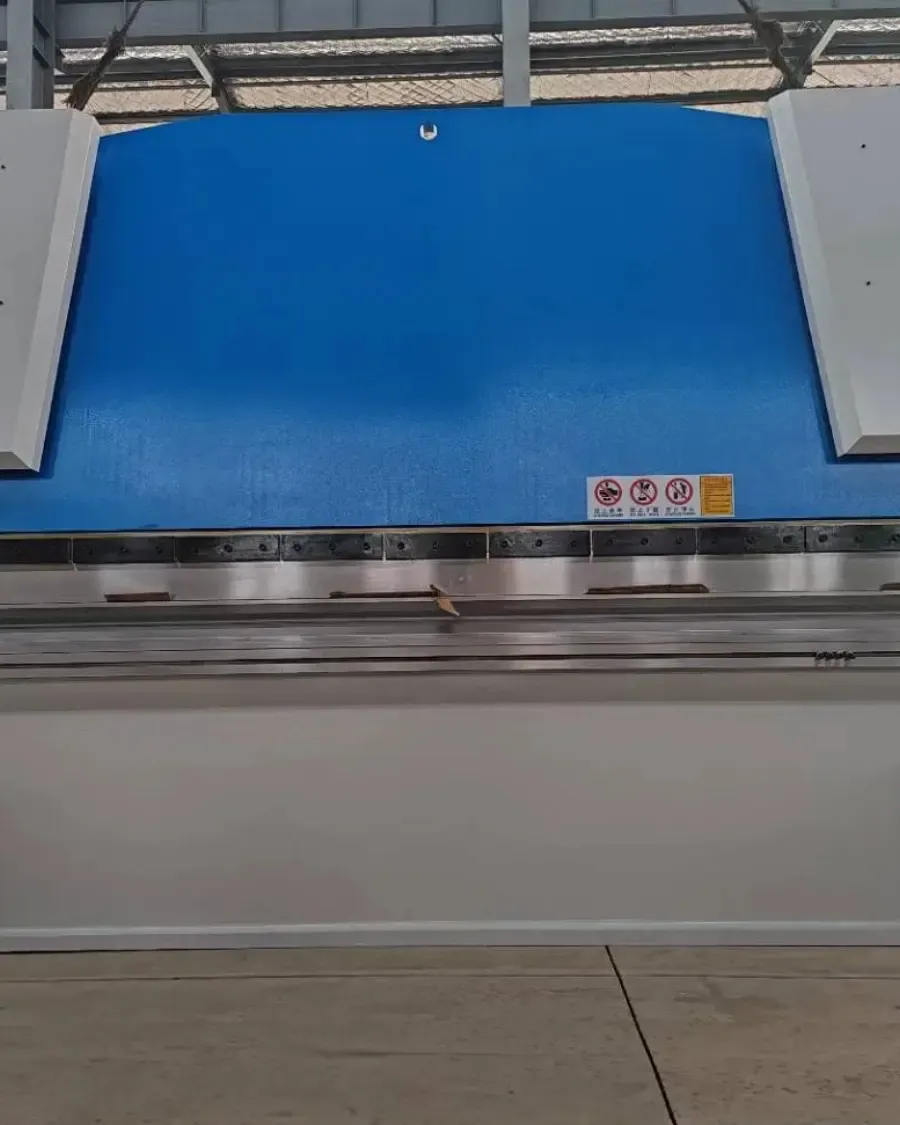
A press brake can repeat ram movement very well and still make inconsistent parts when the punch, V-die and job data are not matched as one system. The sensible starting point is the finished bend: material, radius, flange geometry and production method. Only then should a buyer choose the machine and tooling configuration.
The Four Inputs That Must Travel Together
Tooling selection becomes unreliable when thickness is treated as the only input. A quotation should connect the workpiece to the forming method and the machine interface, so the production team receives a usable setup rather than a list of components.
Material condition: grade, thickness range, tensile strength or certificate data, surface sensitivity and expected springback. Part geometry: bend angle, required inside radius, minimum flange, return flanges, box depth and possible tool interference. Load path: actual bend length, bending method, V-die opening and whether force is concentrated or spread across the bed. Production plan: prototype or repeat work, changeover frequency, operator skill, clamping standard and desired automation level.
Size the V-Die From the Bend Result
For ordinary mild-steel air bending, a V-opening based on several times the material thickness is a useful starting point, not a release-to-production answer. The chosen opening also influences the natural inside radius, the tonnage required and whether a short flange can sit securely on the die shoulders.
A V-die that is too narrow can raise tool load, increase surface marking and leave little allowance for material variation. A V-die that is too wide can create a larger radius than the drawing allows and may not support short flanges. Stainless, high-strength grades, coated sheet and cosmetic surfaces should be checked against the actual material and finish requirements before the setup is approved.
Choose Punch Geometry for the Final Part, Not the First Bend
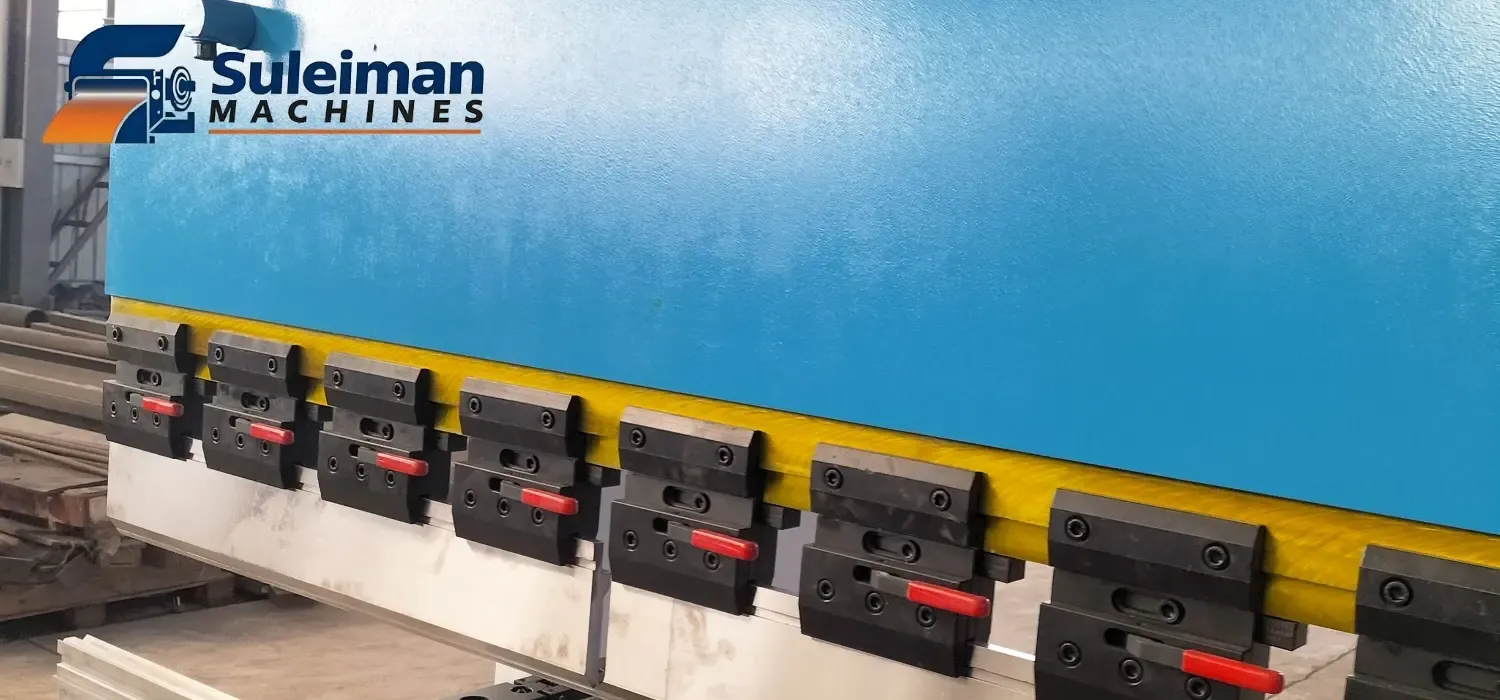
A straight punch can be appropriate for uncomplicated profiles, but it may collide with a return flange or deep box on a later bend. Gooseneck, acute, radius, hemming and segmented tools exist to solve specific clearance or profile problems. Review the entire bend sequence from the drawing before selecting the punch profile.
The tooling interface is equally important. Confirm the machine upper clamping style, tool height, lower-die seating, available daylight, stroke and throat depth. A punch-and-die set that looks correct in a catalogue can still be unusable if its mounting system or working envelope does not match the press brake.
Machine Tonnage and Tooling Capacity Are Separate Checks
Do not approve a setup because the press brake rated tonnage appears sufficient. The upper tool, lower die, clamping system and bed must each tolerate the calculated load over the actual bending length. This becomes especially important with narrow V-openings, short heavy parts, off-centre work and special forming tools.
Calculate from the maximum real bend, not simply the machine full bed length. Check machine load, tool load and clamping capacity as separate limits. Allow margin for material variation, future parts and the chosen bending method instead of designing every job at the theoretical limit.
Turn Your Drawing Into a Useful RFQ
An importer or distributor gets a better recommendation by sending a compact bend-data sheet with the enquiry. Include material grade, thickness range, tensile-strength information, part drawings with bend angles and radii, maximum actual bend length, expected volume, required repeatability, current tooling standard, finish-protection needs, destination electrical standard and installation constraints.
Configuration Review Before You Order
Nantong Suleiman Machinery Co., Ltd. reviews the workpiece, tooling interface and process requirements together before recommending a CNC press brake solution. A representative drawing and material data let the discussion end with a defined machine, tool set, acceptance scope and support plan rather than a generic tonnage figure.
Send your drawing, material details and target bend length to request a configuration review for your next press brake project.