Jul 27, 2026Technical Guides & Knowledge Base
Plate Rolling Machine Buyer's Guide: 3-Roll vs 4-Roll — Which One Fits Your Shop?
Compare 3-roll and 4-roll plate rolling machines. Learn which type fits your plate thickness, production volume, and budget — with a practical decision checklist.
Buying a plate rolling machine is a six-figure decision. Get it right, and your shop runs faster with less scrap. Get it wrong, and you are fighting flat ends, rework, and missed deadlines for years.
This guide walks you through the two main types — 3-roll and 4-roll — and helps you decide which one belongs on your floor.
3-Roll Machines: The Industry Workhorse
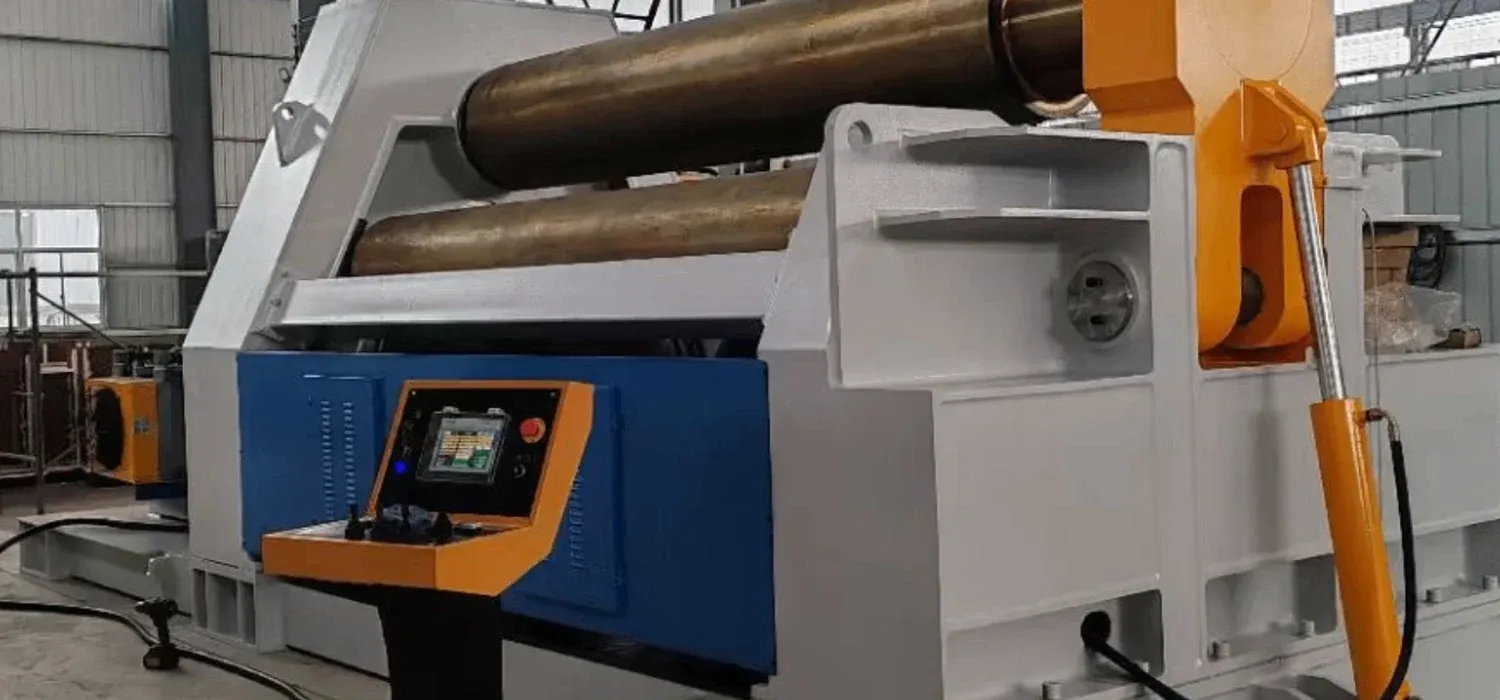
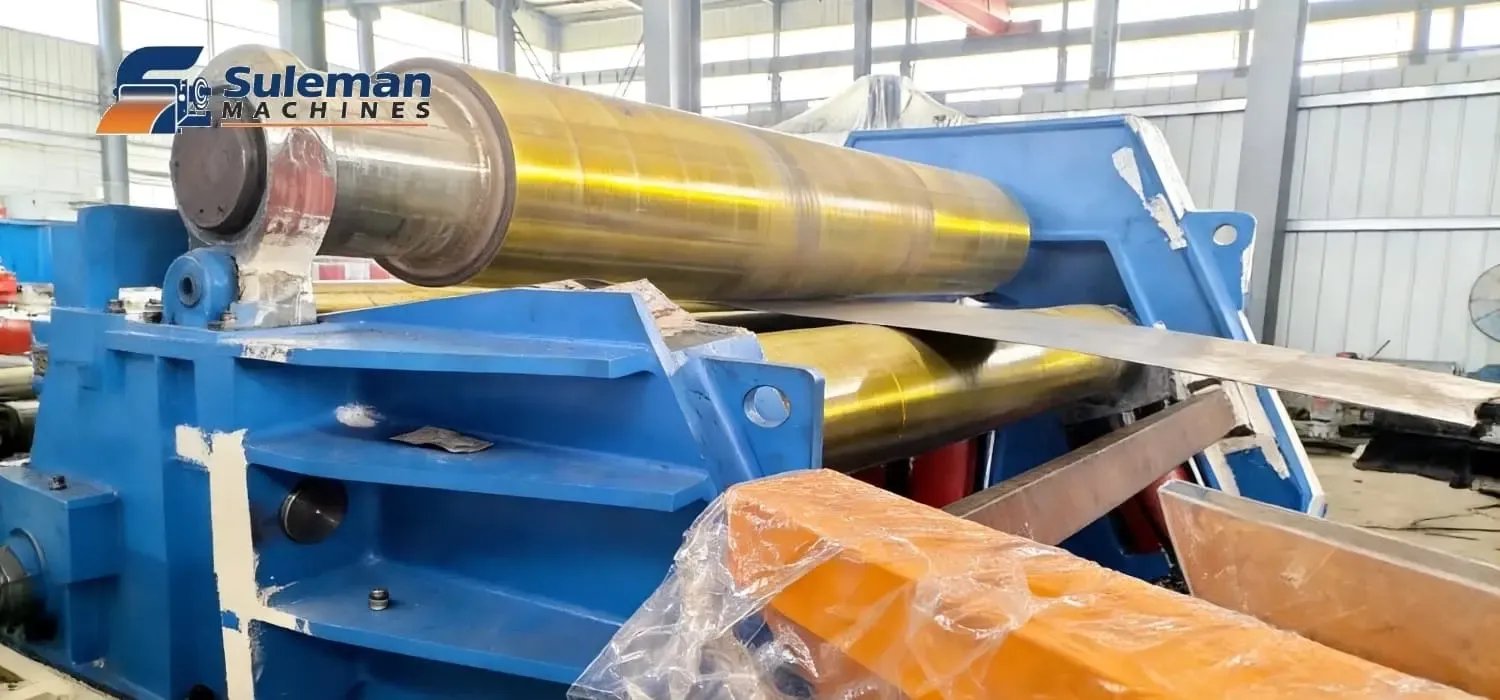
Three-roll plate bending machines are the most common type on the market. Two lower rolls drive the plate while one upper roll applies bending force. They are simple, rugged, and proven across decades of heavy fabrication.
Best for: medium to thick plates (6–60 mm), general fabrication, structural steel, and shops where cycle time is not the bottleneck.
Limitations: the leading and trailing edges of the plate cannot be fully formed in one pass. Operators must pre-bend the ends — either on a separate press or by using a pre-bending die. This adds labor, time, and material waste.
4-Roll Machines: One Pass, Zero Flat Ends
Four-roll machines add a fourth roller below the plate. This extra roll pinches the material, allowing both plate ends to be formed in a single continuous cycle. No pre-bending step. No flat-end waste. No extra handling.
Best for: high-mix production, thin to medium plates (2–40 mm), shops chasing faster cycle times, and applications where roundness is critical — pressure vessels, wind towers, and tank fabrication.
Trade-off: higher upfront cost. But the 30–40% cycle-time reduction often pays back within the first year of production.
Decision Checklist: 5 Questions to Ask
- What is your typical plate thickness? Below 10 mm and high volume? Lean 4-roll. Above 40 mm regularly? 3-roll may be more practical.
- How many different part numbers per shift? Frequent changeovers favor 4-roll CNC with stored programs.
- Is roundness tolerance tight? Pressure vessel and wind tower specs often demand 4-roll precision.
- What does your labor cost? If skilled operators are hard to find, a 4-roll CNC reduces dependency on experience.
- What is your five-year growth plan? Buying for today's jobs is short-sighted.
Hydraulic vs Servo-Electric: The Second Decision
Once you settle on roll count, decide on drive type. Hydraulic systems are proven, affordable, and easy to maintain. Servo-electric drives cost more upfront but cut energy use by 30–50% and deliver finer positional accuracy.
Talk to an Engineer Before You Buy
Every shop is different. The right machine depends on your specific materials, tolerances, and production goals. At SLM Forming, our engineers help you spec the correct machine — not the most expensive one.