Jul 26, 2026Technical Guides & Knowledge Base
4-Roll CNC Plate Rolling Machines: 3 Trends Reshaping Heavy Fabrication in 2026
Discover how 4-roll CNC technology, smart automation, and servo-electric drives are transforming plate rolling in 2026. Expert insights from SLM Forming.
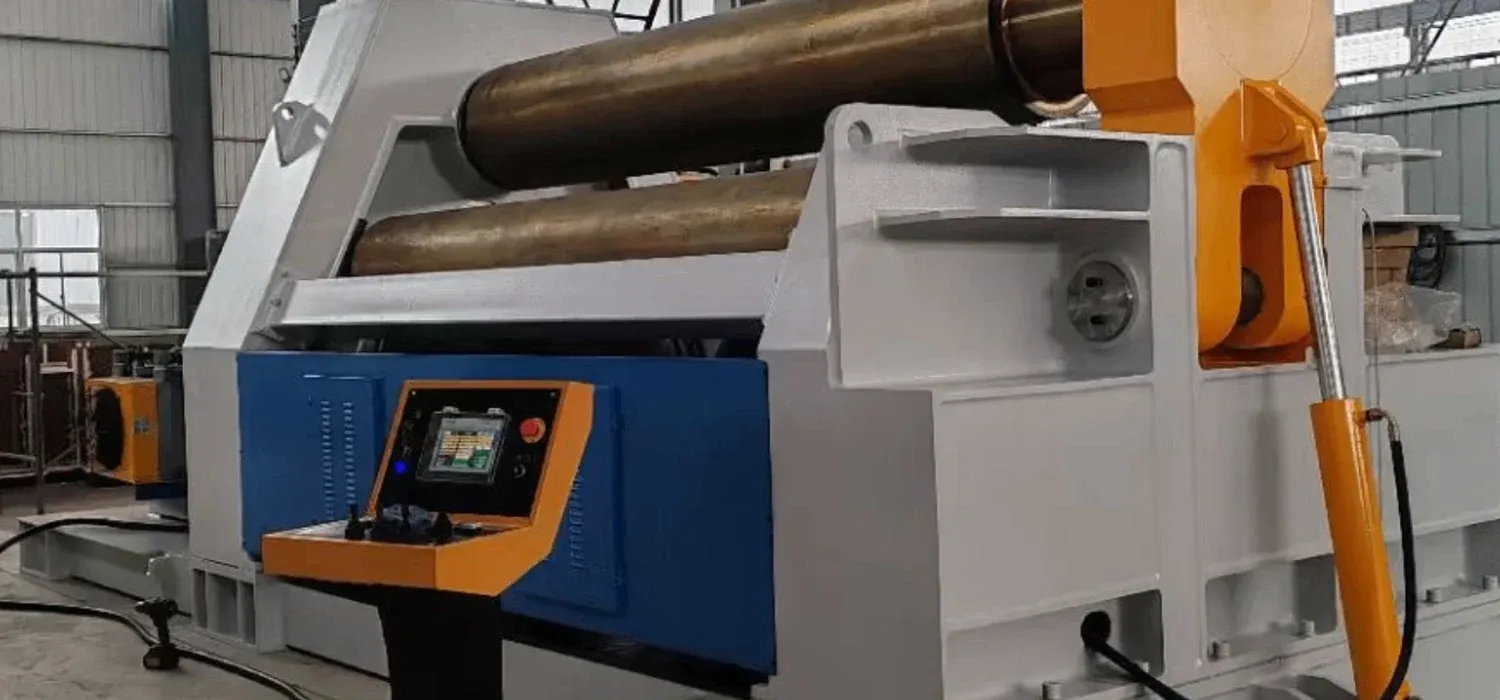
Global demand for precision metal forming has never been higher. Wind tower fabricators need tighter tolerances. Pressure vessel shops demand faster cycle times. Shipyards want zero rework. Across every sector, one machine sits at the center of this shift: the 4-roll CNC plate rolling machine.
Here are three trends driving the industry forward.
- One-Pass Forming Becomes the Standard
Five years ago, 3-roll machines dominated factory floors. Today, 4-roll systems with one-pass forming are rapidly displacing them. The reason is simple: 4-roll machines eliminate the pre-bending step. Both plate ends are pinched and formed in a single continuous cycle. This cuts cycle time by up to 40% and dramatically reduces flat-end waste.
- Smart Automation Moves from Optional to Essential
Today's systems integrate real-time angle monitoring, adaptive pressure control, and IoT connectivity. Sensors along the rollers measure deflection mid-cycle and auto-correct. First-part accuracy rates exceed 98%.
- Servo-Electric Drives Cut Energy and Complexity
Servo-electric drives offer 30-50% lower energy consumption, zero hydraulic oil maintenance, and quieter operation. Servo control provides finer positional accuracy, translating directly to better roundness and repeatability.
What This Means for Your Next Machine Purchase
Prioritize 4-roll if you process plates above 10 mm. Look for real-time radius compensation and program storage. Compare servo-electric and hydraulic through a 5-year TCO lens. Confirm remote diagnostic capability and local technical support availability.
Partner with Experts Who Understand Your Work
At SLM Forming, we engineer 4-roll CNC plate rolling machines for fabricators who cannot afford rework. Every machine we ship undergoes a 48-hour stress test and a 20-point precision check.