Linear vs. Planetary Guides: Designing for Zero-Defect Plate Rolling
Explore the structural physics behind side roll movement. Learn how SLM optimizes guide geometry to maximize bending torque and ensure sub-millimeter precision for high-tensile steel cylinders.
Linear vs. Planetary Guides
Optimizing Machine Geometry for High-Tensile Precision
In 4-roll plate rolling, the movement trajectory of the side rolls defines the final circularity. While both Planetary and Linear guides have their place, understanding the physics of leverage and torque is essential for high-precision applications.
Planetary Guides
Commonly used for thinner plates. The side rolls move on a curved arm. While simpler in construction, the bending force is applied at a variable angle, which can limit the "pinch" effectiveness on heavy material.
Linear Guides
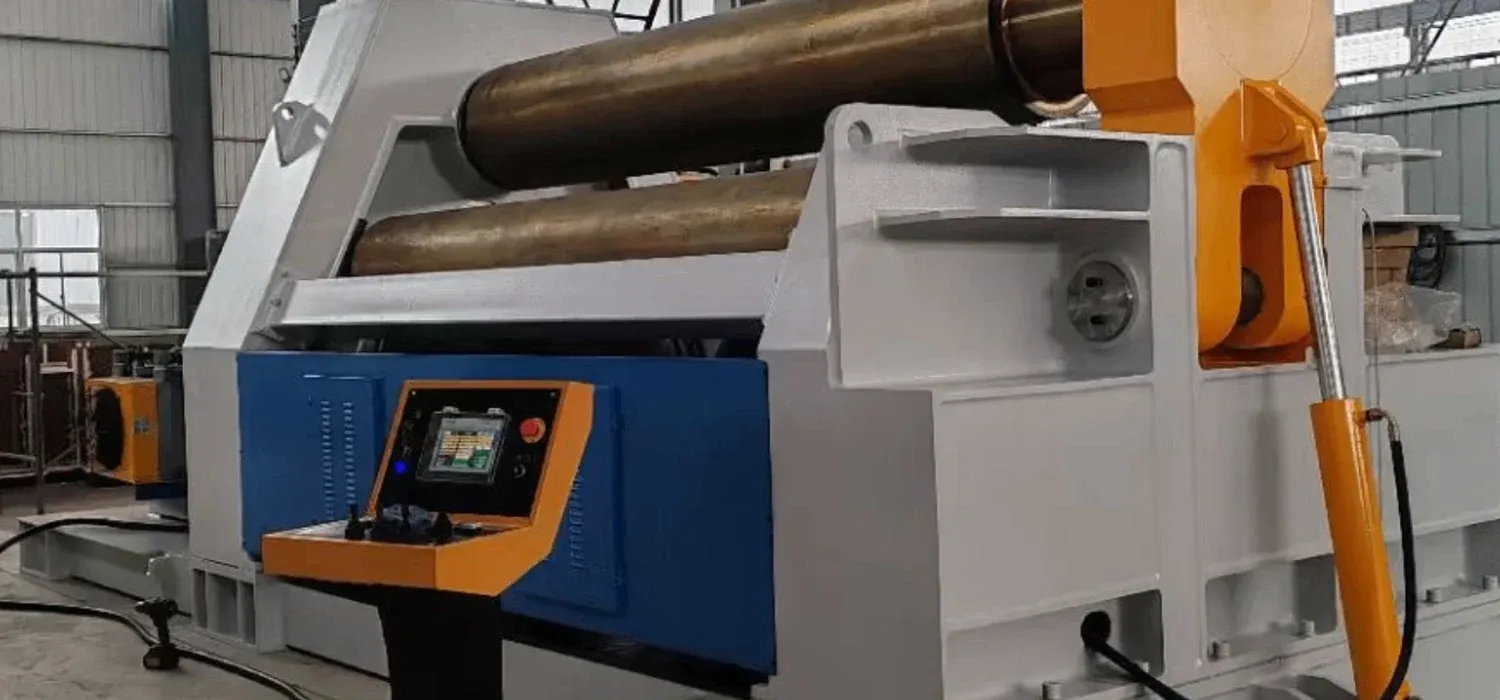
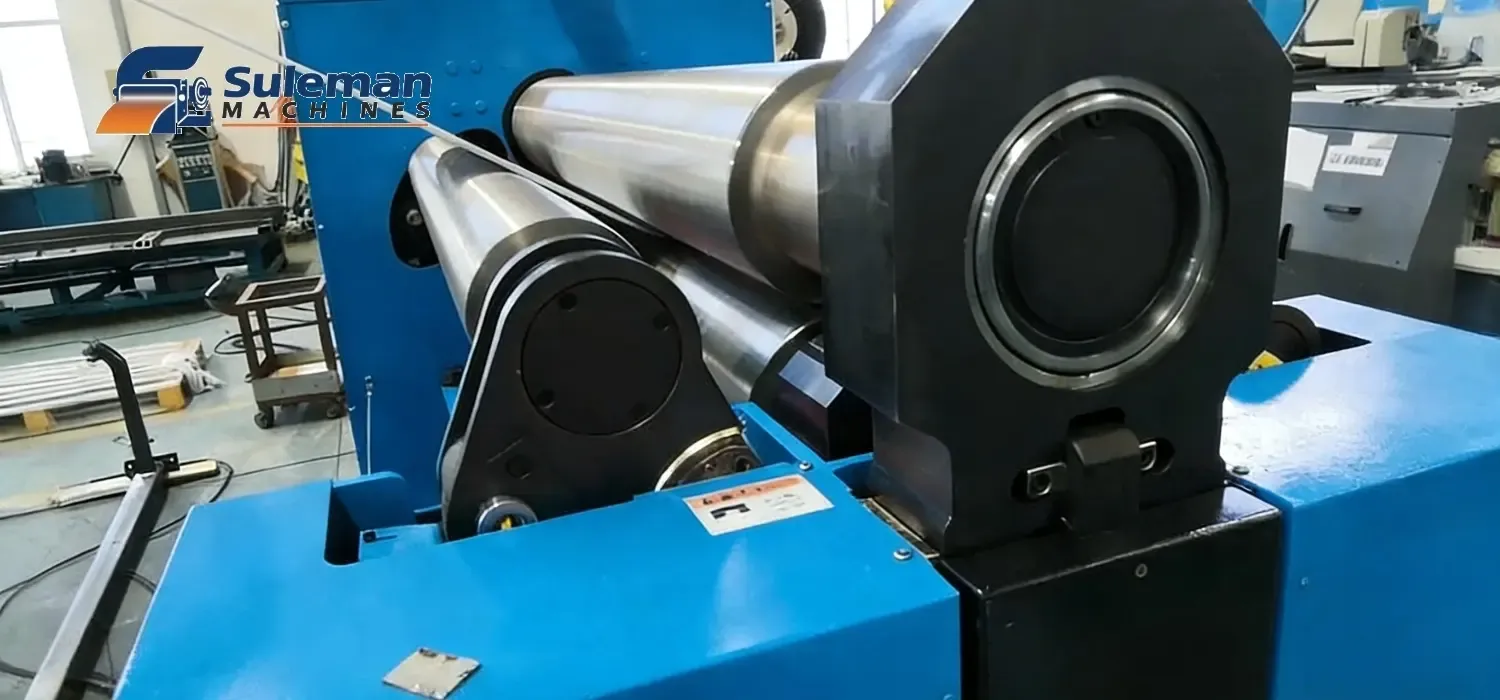
The SLM standard for high-capacity machines. Side rolls travel on a straight vertical or inclined path, ensuring the shortest distance between bending points and maximum mechanical leverage for pre-bending.
The Impact on Pre-Bending
The primary advantage of the Linear Guide system is its ability to move closer to the center of the machine. This proximity creates a tighter clamping zone, which is the secret behind reducing unbent flat ends to $1.5 \times$ the plate thickness. In contrast, planetary systems follow a fixed arc that naturally moves away from the top roll as the plate thickness increases.
| Structural Factor | Planetary System | SLM Linear Technology |
|---|---|---|
| Bending Leverage | Variable Arc | Direct Vertical Force |
| Accuracy Maintenance | Pivot Point Wear | Rigid Slide Guides |
| Small Diameter Rolling | Limited | Superior Capability |